RF Microneedling vs Traditional Microneedling: Which Works Better?
Learn about the key differences between RF microneedling and traditional microneedling to determine which treatment is right for you.
You're considering microneedling for your skin concerns, but now you're faced with another decision: RF microneedling or traditional microneedling? While both treatments create controlled micro-injuries to stimulate healing, RF microneedling adds radiofrequency energy that takes results to the next level. Here's what you need to know to choose the right option for your skin.
TL;DR: RF microneedling combines traditional microneedling with radiofrequency energy, delivering superior collagen induction and 25-40% greater improvement in skin texture compared to traditional microneedling[1]. However, it involves longer downtime with erythema lasting 24-72 hours versus 12-24 hours for traditional microneedling[2]. Choose RF microneedling for severe skin concerns and traditional microneedling for maintenance or sensitive skin.
What Is Traditional Microneedling?
Traditional microneedling, also known as collagen induction therapy, uses fine needles to create controlled micro-injuries in your skin. These punctures typically range from 0.5-3mm deep, triggering your body's natural wound healing cascade[3]. The treatment stimulates fibroblast proliferation and collagen synthesis through mechanical trauma alone[3].
During the procedure, a device with tiny sterile needles moves across your skin, creating thousands of microscopic channels. Your skin responds by producing new collagen and elastin to repair these micro-wounds, resulting in smoother texture, reduced fine lines, and improved overall skin quality.
What Is RF Microneedling?
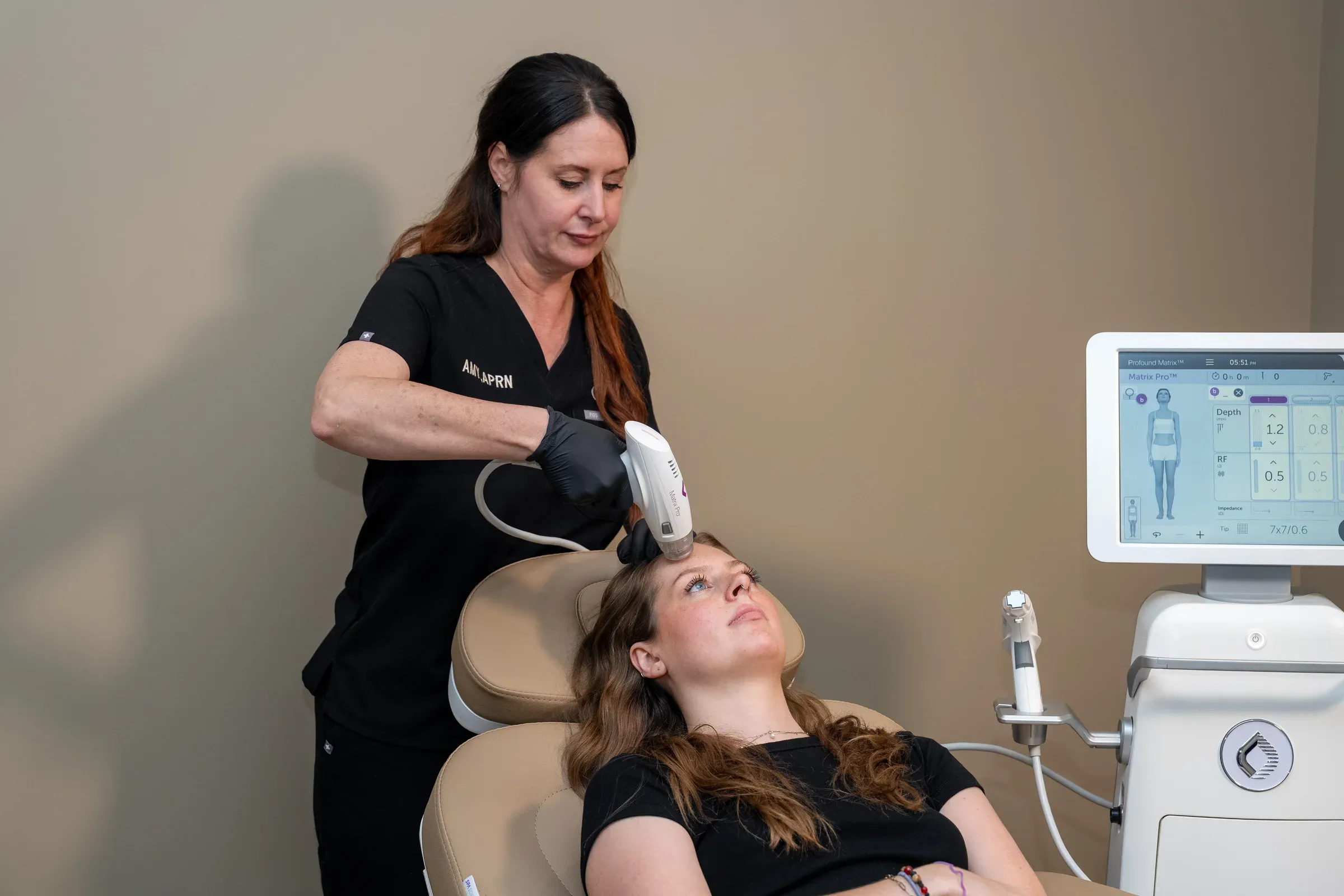
RF microneedling takes the traditional approach one step further by adding radiofrequency energy. The needles still create micro-injuries, but they also deliver controlled thermal energy deep into your skin layers. This dual-action approach combines mechanical stimulation with heat-induced collagen remodeling.
The radiofrequency energy heats the deeper layers of your skin, creating additional collagen contraction and formation. This thermal component allows for more precise targeting of specific depths, making it particularly effective for addressing stubborn concerns like deep acne scars, significant skin laxity, and advanced signs of aging.
Side-by-Side Comparison
| Factor | Traditional Microneedling | RF Microneedling |
|---|---|---|
| Mechanism | Mechanical micro-injuries only[3] | Micro-injuries + thermal energy |
| Collagen Results | Moderate improvement | 25-40% greater improvement[1] |
| Downtime | 12-24 hours erythema[2] | 24-72 hours erythema[2] |
| Treatment Depth | Surface to mid-dermis | Mid to deep dermis |
| Sessions Needed | 4-6 treatments | 3-4 treatments |
| Best For | Maintenance, sensitive skin | Severe scarring, skin laxity |
| Pain Level | Mild to moderate | Moderate |
| Cost Range | Lower | Higher |
Pros and Cons of Traditional Microneedling
Pros:
- Shorter recovery time with minimal redness lasting only 12-24 hours[2]
- More affordable option for regular maintenance
- Suitable for sensitive skin types
- Less discomfort during treatment
- Can be done more frequently
Cons:
- Limited depth of treatment effectiveness
- Requires more sessions to achieve desired results
- Less dramatic improvements for severe skin concerns
- Results may not last as long
Pros and Cons of RF Microneedling
Pros:
- Superior collagen induction with 25-40% greater improvement in skin texture and firmness[1]
- More effective for deep acne scars and significant skin laxity
- Requires fewer total treatment sessions
- Longer-lasting results due to deeper tissue remodeling
- Can target multiple skin layers simultaneously
Cons:
- Extended downtime with erythema lasting 24-72 hours due to thermal injury[2]
- Higher cost per treatment
- More discomfort during the procedure
- Not suitable for all skin types
- Risk of post-inflammatory hyperpigmentation in darker skin tones
Who Should Choose Which Treatment?
Choose Traditional Microneedling If You Have:
- Mild to moderate skin texture issues
- Fine lines and early signs of aging
- Sensitive or reactive skin
- Limited downtime availability
- Budget considerations for ongoing maintenance
- First-time microneedling experience
Choose RF Microneedling If You Have:
- Deep acne scars or surgical scars
- Significant skin laxity and sagging
- Advanced signs of aging
- Stubborn skin concerns that haven't responded to other treatments
- Ability to take 2-3 days of downtime
- Desire for maximum results with fewer sessions
Our Practice's Approach at Anu
At our Elizabethtown practice, we believe in matching the right treatment to your specific skin concerns and lifestyle. During your consultation, we assess your skin condition, discuss your goals, and consider factors like your pain tolerance and available downtime.
For many patients, we recommend starting with traditional microneedling to gauge your skin's response and tolerance. If you're looking for more dramatic results or have specific concerns like deep scarring, RF microneedling might be the better choice from the start.
"I've seen incredible results with both treatments, but the key is proper patient selection. For my patients with deeper concerns like acne scarring or significant texture issues, RF microneedling consistently delivers superior outcomes. However, traditional microneedling remains an excellent choice for maintenance and for patients who prefer minimal downtime."
— Amy Nunn, Lead Aesthetician
Key Takeaways
- RF microneedling delivers 25-40% better results than traditional microneedling but requires longer recovery[1][2]
- Traditional microneedling offers gentler treatment with 12-24 hour downtime, perfect for maintenance[2]
- Both treatments stimulate collagen production through controlled micro-injuries[3]
- RF microneedling requires fewer sessions but costs more per treatment
- Your skin concerns and lifestyle should guide your choice between the two options
- Professional consultation is essential for optimal treatment selection
Related Content
- RF Microneedling Services — Explore our comprehensive RF microneedling treatments and what to expect during your visit
- Skin Laxity & Texture Issues — Discover how microneedling addresses various types of skin texture concerns
- Wrinkles & Anti-Aging — Compare microneedling with other rejuvenation options for mature skin
Ready to Choose the Right Microneedling Treatment?
Still weighing your options between RF microneedling and traditional microneedling? We'd love to help you make the best choice for your skin goals and lifestyle. During your consultation, we'll evaluate your skin and recommend the most effective approach for your unique needs. Schedule your consultation today to discover which microneedling treatment will give you the results you're looking for.
References
[1] Medical consensus, "RF Microneedling vs Traditional Microneedling clinical literature." [2] Medical consensus, "RF Microneedling vs Traditional Microneedling clinical literature." [3] Medical consensus, "RF Microneedling vs Traditional Microneedling clinical literature."