
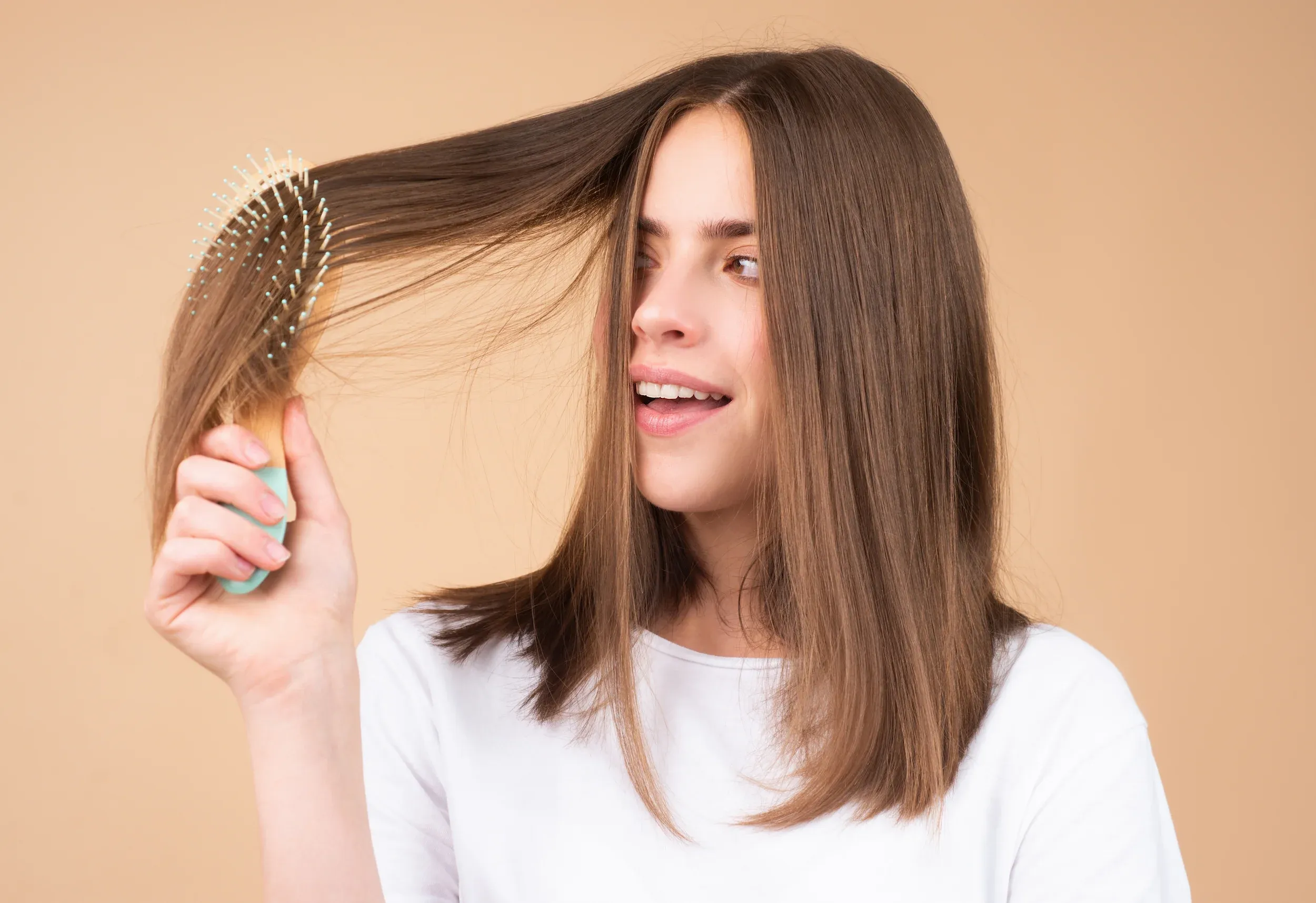
Young woman brushing healthy brown hair and smiling - hair loss and thinning treatment at ANU Face Mind Body Elizabethtown KY

Hair Loss & Thinning Treatment in Elizabethtown, KY

Restore Your Hair's Natural Fullness

Affects:Men & Women
Primary Causes:Genetic, Hormonal, Nutritional
Treatment:Multi-Modal Approach
Results:3-9 months
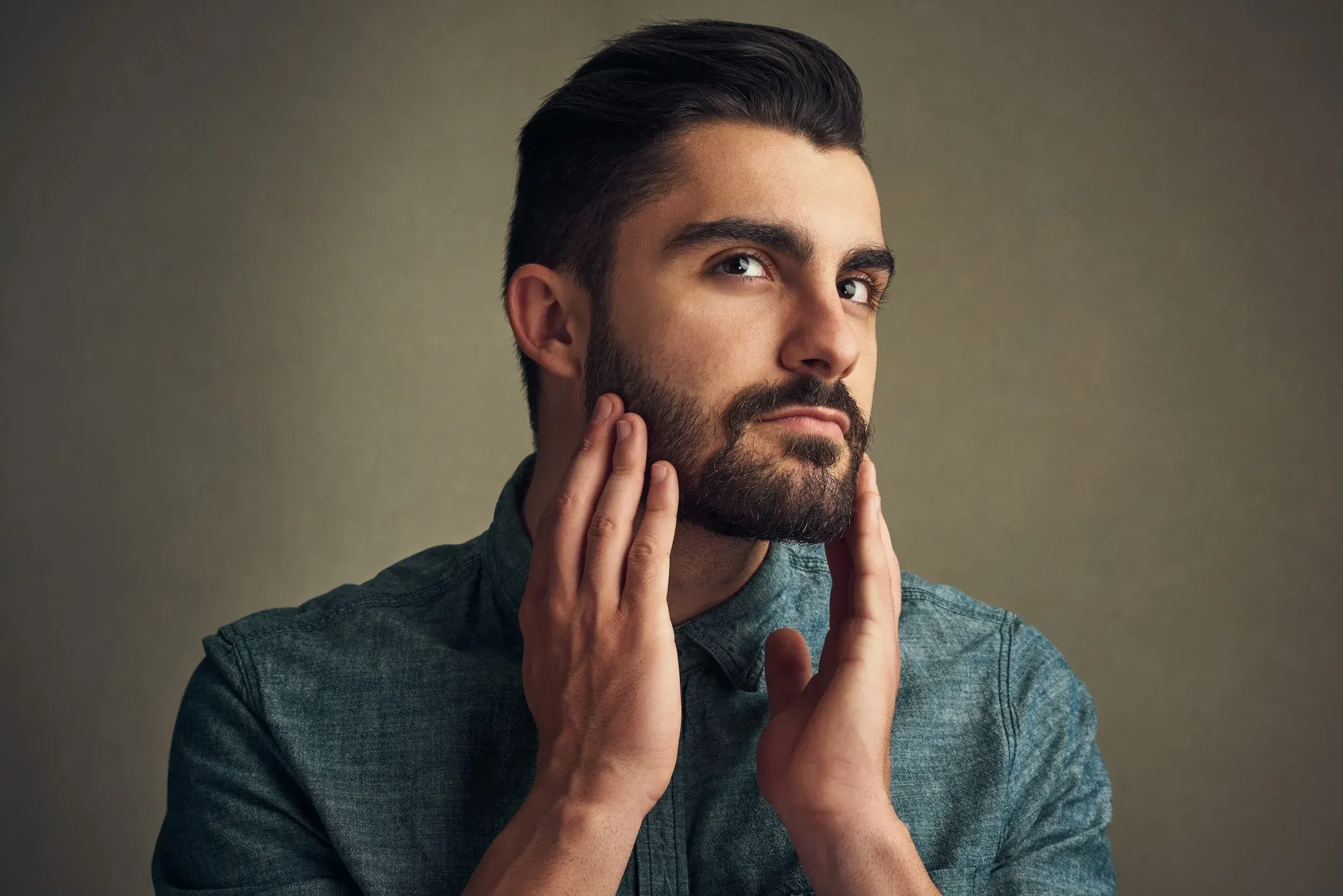
Man touching his jawline and styled hair with contemplative expression - male hair loss concerns at ANU Face Mind Body

What Is Hair Loss & Thinning?

Recognizing the Early Signs

Hair loss and thinning refers to the progressive reduction in hair density, thickness, or coverage that occurs when hair follicles gradually miniaturize or cease producing terminal hair strands. This condition results from complex interactions between genetic predisposition, hormonal fluctuations, and environmental stressors.

If you've noticed more hair in your shower drain or found yourself styling your hair differently to cover thinner spots, these changes signal the early stages of hair loss. The process typically begins subtly—perhaps your ponytail feels smaller, or you notice your scalp showing through in certain lighting.

Many patients describe feeling like their hair has lost its former fullness and body.

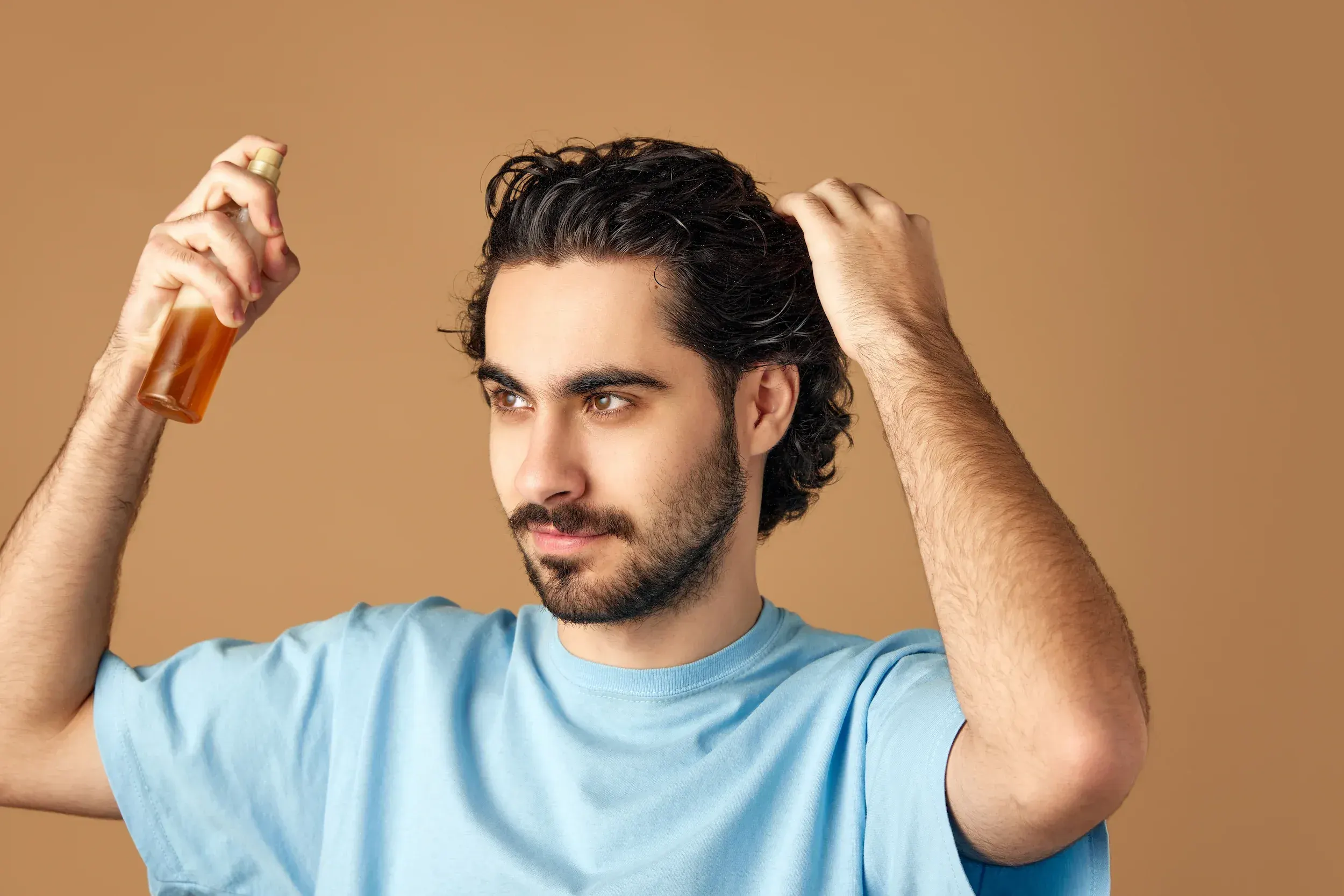
Man applying hair treatment spray to dark curly hair - hair restoration products at ANU Face Mind Body Elizabethtown KY

Why Hair Loss & Thinning Happen

Understanding Follicle Changes

The primary driver of pattern hair loss involves dihydrotestosterone (DHT), a hormone derived from testosterone. DHT binds to androgen receptors in susceptible hair follicles, triggering a miniaturization process that gradually shrinks follicles over successive growth cycles.

Hair follicles exist in three distinct phases: anagen (growth), catagen (transition), and telogen (rest). In androgenetic alopecia, affected follicles experience progressively shorter anagen phases and longer telogen periods. The dermal papilla gradually diminishes in size, compromising the follicle's ability to produce thick, pigmented hair.

Nutritional deficiencies in iron, biotin, zinc, and protein can also compromise follicle function, while chronic stress elevates cortisol levels that can prematurely shift follicles into telogen phase.
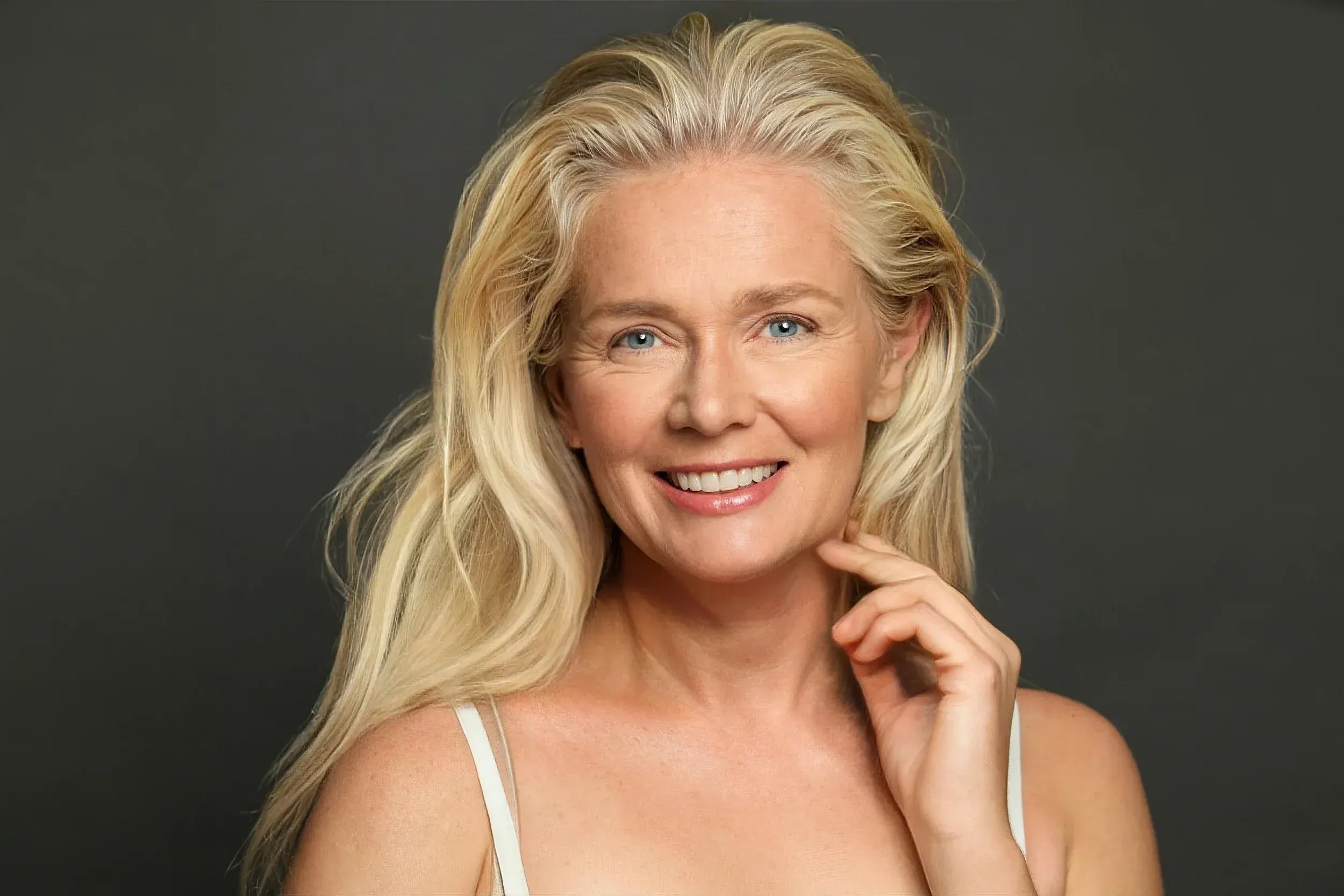
Confident woman with long flowing blonde hair smiling - hair restoration results at ANU Face Mind Body

Scalp Health & Circulation

The Foundation for Healthy Hair

The scalp's microcirculation plays a crucial role in delivering oxygen and nutrients to follicles. Poor circulation, inflammation, or seborrheic conditions can create an environment that accelerates hair loss and thinning.

Research shows that scalp application of antioxidants can significantly improve scalp condition and reduce hair shedding. Modern therapeutic approaches target these underlying mechanisms through advanced delivery systems and bioactive compounds.

Marine extracts provide essential nutrients and proteins that support the hair follicle growth cycle and keratin synthesis, offering another pathway to support healthy hair growth.

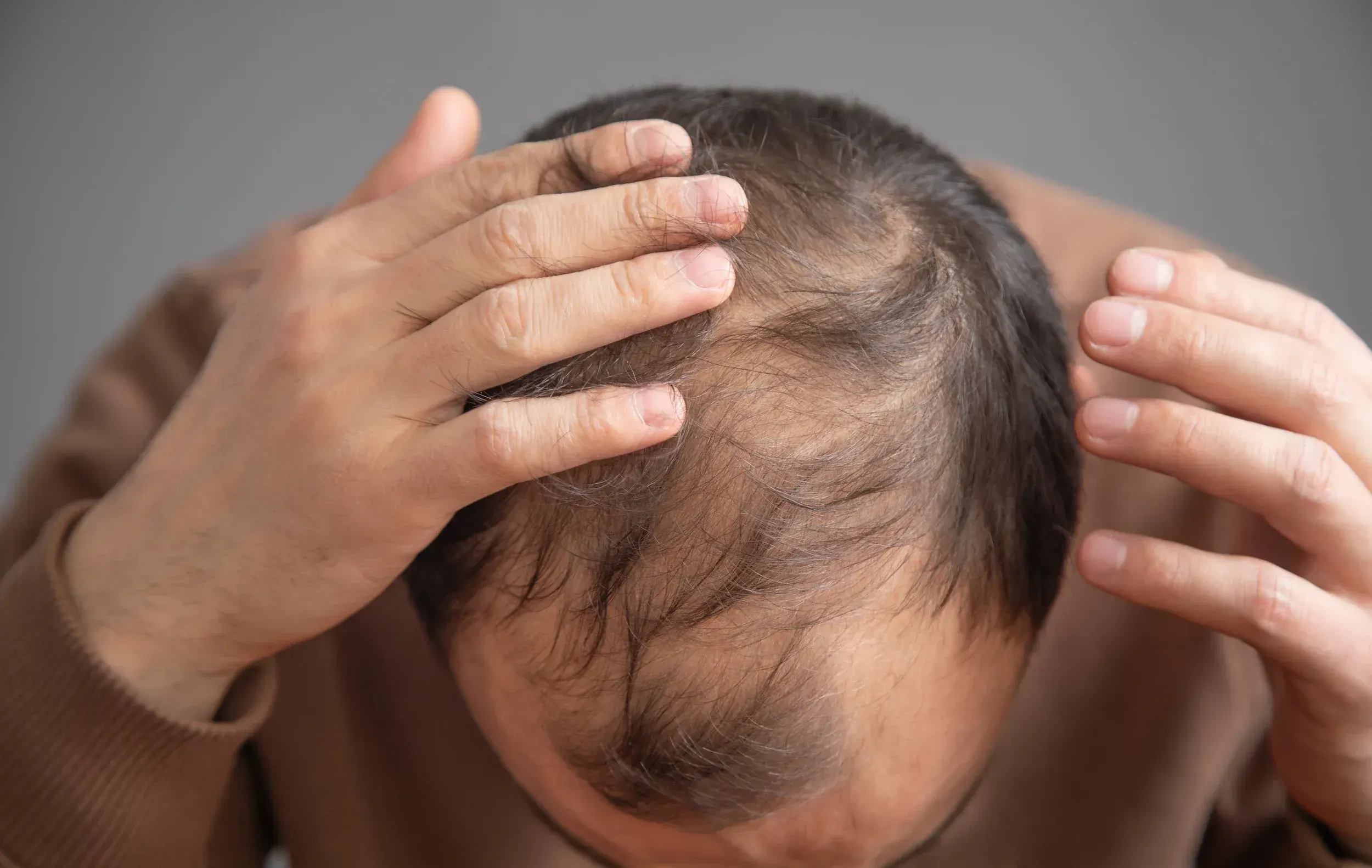
Close-up of person examining thinning hair on crown of head - understanding hair loss causes and patterns

What Contributes to Hair Loss & Thinning?

Identifying Your Risk Factors

01

Genetic Factors

Family history of androgenetic alopecia, inherited sensitivity to DHT, ethnic background influences.

02

Hormonal Changes

Menopause and declining estrogen, thyroid disorders, PCOS, postpartum hormonal fluctuations.

03

Lifestyle Influences

Chronic stress and elevated cortisol, restrictive dieting, excessive heat styling, tight hairstyles causing traction.

04

Medical Conditions

Autoimmune disorders like alopecia areata, iron deficiency anemia, certain medications including chemotherapy.

05

Environmental Stressors

Pollution and toxins, excessive sun exposure, hard water with mineral buildup, seasonal changes.

Young woman with clear smooth skin touching her cheek - preventing early signs of wrinkles and fine lines

Why Choose Anu Face Mind Body

Comprehensive Hair Restoration

  • Comprehensive Evaluation
  • Multi-Modal Approach
  • Evidence-Based Treatments
  • Personalized Protocols

Treatment Options Comparison

Treatment options for hair thinning and hair loss include De|Rive Hair Restoration, targeted supplements, scalp-focused treatments, and hormone optimization, allowing care to be tailored to the underlying cause of hair loss.

Treatment Best For Timeline Approach Maintenance
De|Rive Follicle stimulation, early thinning 3-6 months Growth factor stimulation Treatment series, maintenance as needed
Nutraceutical Supplements Nutritional deficiencies 6-9 months Oral supplementation Ongoing
Scalp Treatments Scalp health, inflammation 3-4 months Topical antioxidants Regular sessions
Hormone Optimization Hormonal imbalances 3-6 months HRT, thyroid support Monitoring
Confident man with healthy hair in modern office setting - hair restoration treatment outcomes at ANU Face Mind Body

You May Be Experiencing Hair Loss & Thinning If...

Recognizing the Signs

  • Increased Shedding
  • Smaller Ponytail
  • Visible Scalp
  • Styling Changes
  • Light Sensitivity
  • Comments from Others

Frequently Asked Questions

About Hair Loss & Thinning

01 Can I prevent hair loss and thinning from getting worse?

Early intervention often proves more effective than waiting until significant loss has occurred. Addressing contributing factors like nutritional deficiencies, hormonal imbalances, and scalp health can slow progression and, in many cases, stimulate regrowth of miniaturized follicles.

02 How do I know which treatment approach is right for my hair loss?

Comprehensive evaluation helps identify your primary contributing factors, whether genetic, hormonal, nutritional, or environmental. Treatment selection depends on these findings, your medical history, lifestyle preferences, and specific goals.

03 Why am I losing my hair if no one else in my family has this problem?

Hair loss can result from factors beyond genetics, including hormonal changes, stress, medications, nutritional deficiencies, or autoimmune conditions. Even with genetic predisposition, environmental triggers often determine when and how extensively hair loss develops.

04 How quickly will I see improvement in my hair loss?

Initial changes like reduced shedding typically occur within 6-8 weeks of starting treatment. Visible new growth usually becomes apparent around 3-4 months, with substantial density improvements requiring 6-9 months as follicles complete multiple growth cycles.

05 Can hair loss be stopped permanently?

While some treatments can significantly slow progression and stimulate regrowth, hair loss often requires ongoing management rather than a permanent cure. Consistent treatment adherence, lifestyle modifications, and regular monitoring help maintain long-term improvements.

Location230 Buford Lane, Suite 108
Elizabethtown, KY, 42701

Schedule Your Consultation